
Blog
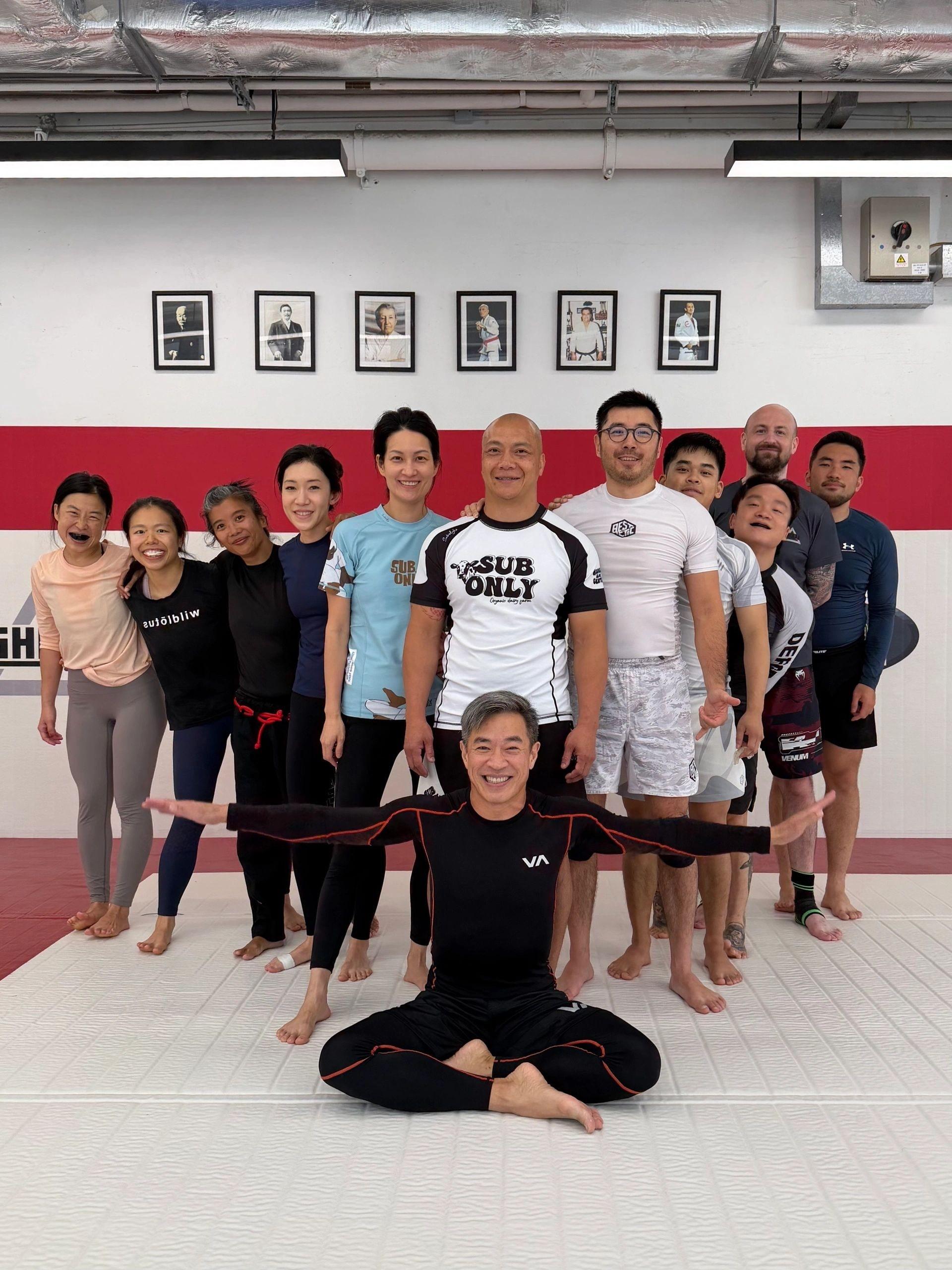
Mastering the Fork Principle: Create the Dilemma
A single threat is an easy problem to solve. Borrowed from chess, the Fork Principle is about threatening two pathways at once so their defence to one opens the other.
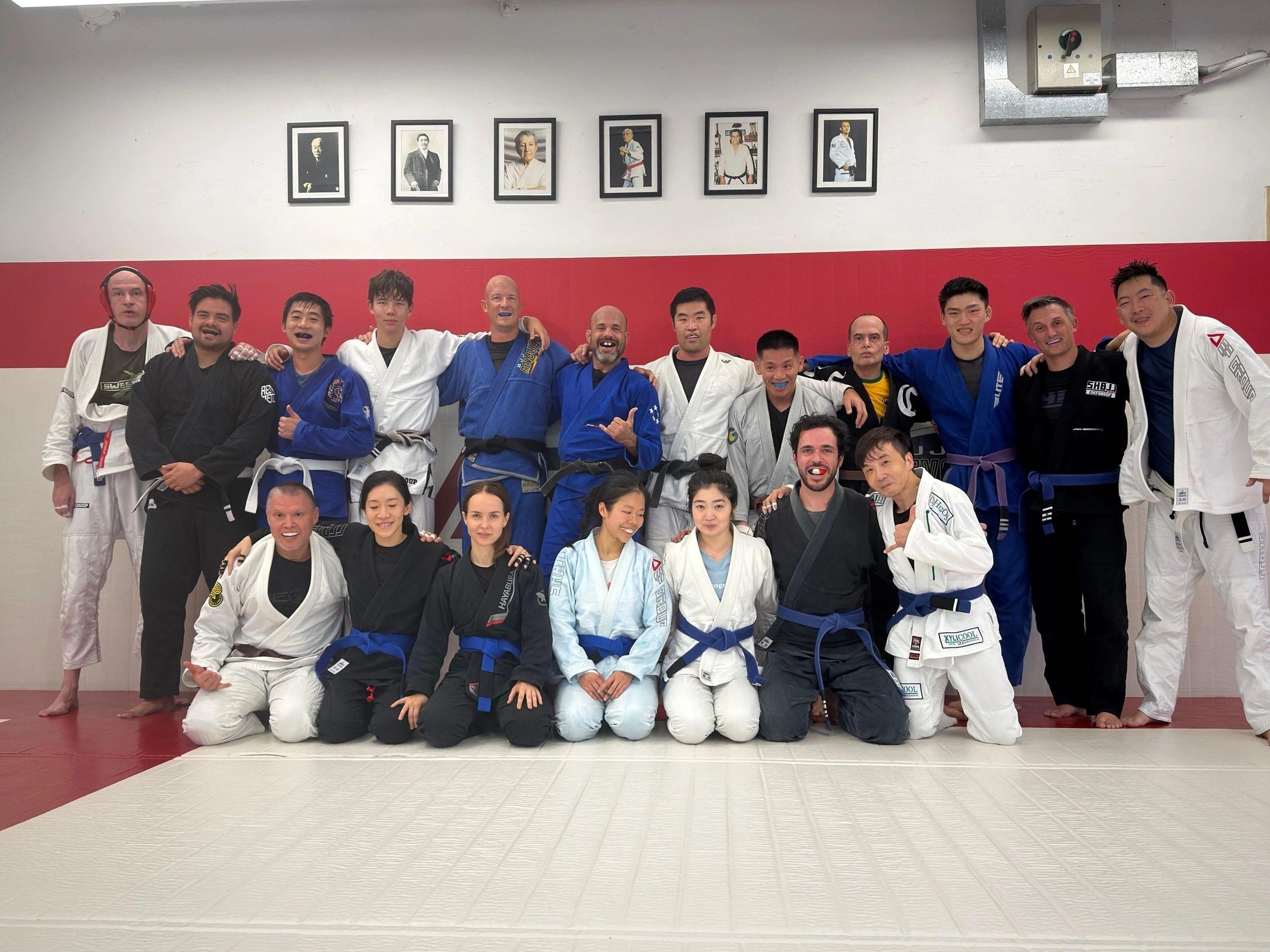
Mastering the Tension Principle in Jiu-Jitsu
Tension exists wherever two connected points push or pull against each other. Learning to read it, create it and release it is what turns grip breaking, sweeps and submissions from forced into effortless.
Mastering the Prevention Principle
Recognising a threat early and shutting it down costs far less energy than escaping after the choke or the pass has landed. Prevention is an active skill, not a passive one.
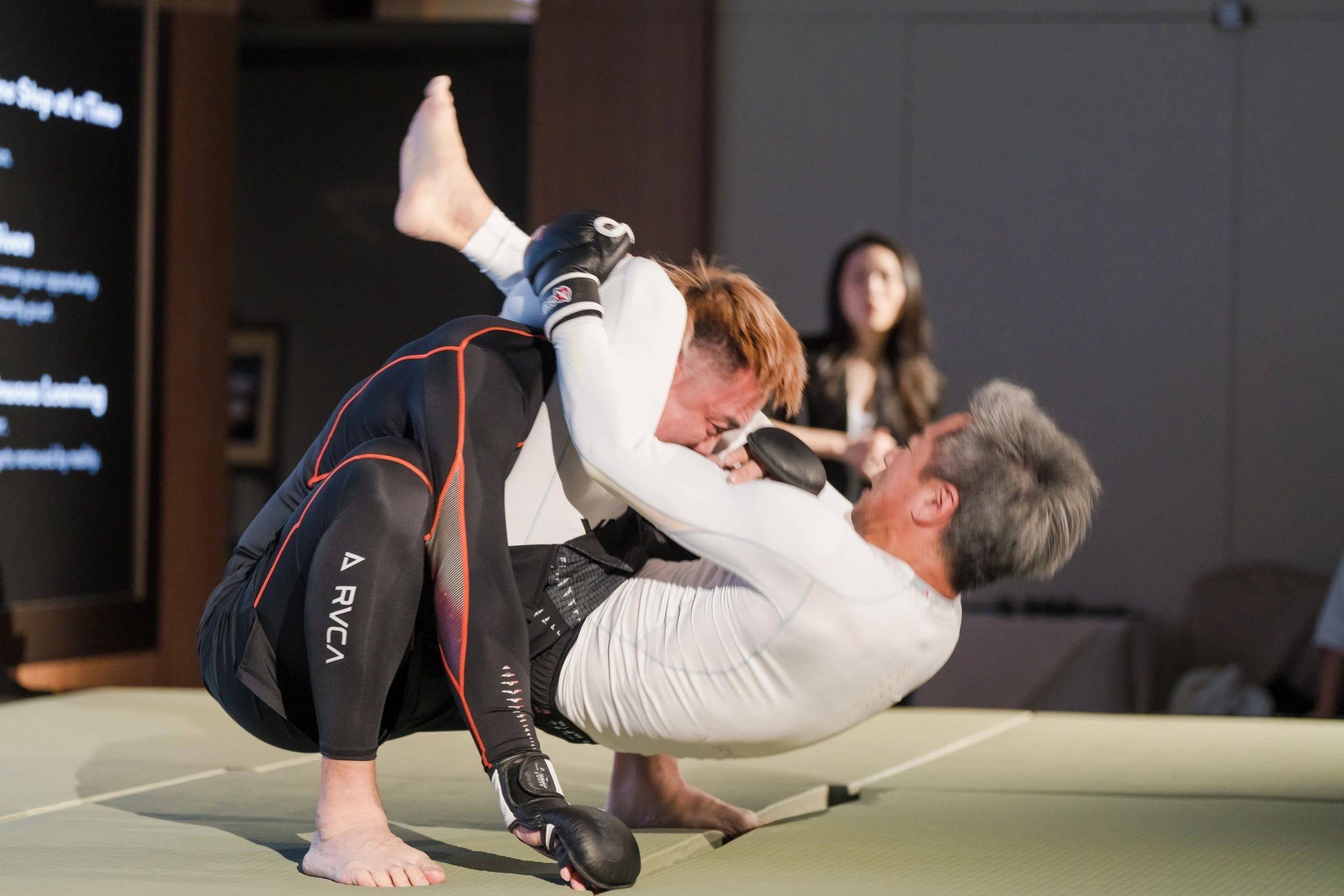
Mastering Reconnaissance: Learn before you Strike
Every exchange in a roll is information. Reading grips, posture and reactions lets you predict, trap and conserve energy instead of guessing your way through a match.
Mastering the Kuzushi Principle: Break the Balance
Kuzushi means to break balance, and it is the missing ingredient when sweeps and submissions feel glued to the mat. Take the base away first and the technique stops needing strength.
Mastering the Frame: Creating Structure without Strength
Frames use skeletal structure instead of muscle to hold space, which is why smaller practitioners survive under heavy pressure. Where to build them, why they save energy, and three drills to train them.
Mastering the River Principle in Jiu-Jitsu
The river wastes no time trying to move the rock — it flows around it. Bypassing resistance instead of fighting through it is what makes jiu-jitsu smooth, efficient and hard to stop.
Mastering Time: The Power of the Clock Principle in Jiu-Jitsu
Every technique depends on being executed at exactly the right moment. Speed up or slow down your opponent's clock and you derail their game without ever matching their strength.
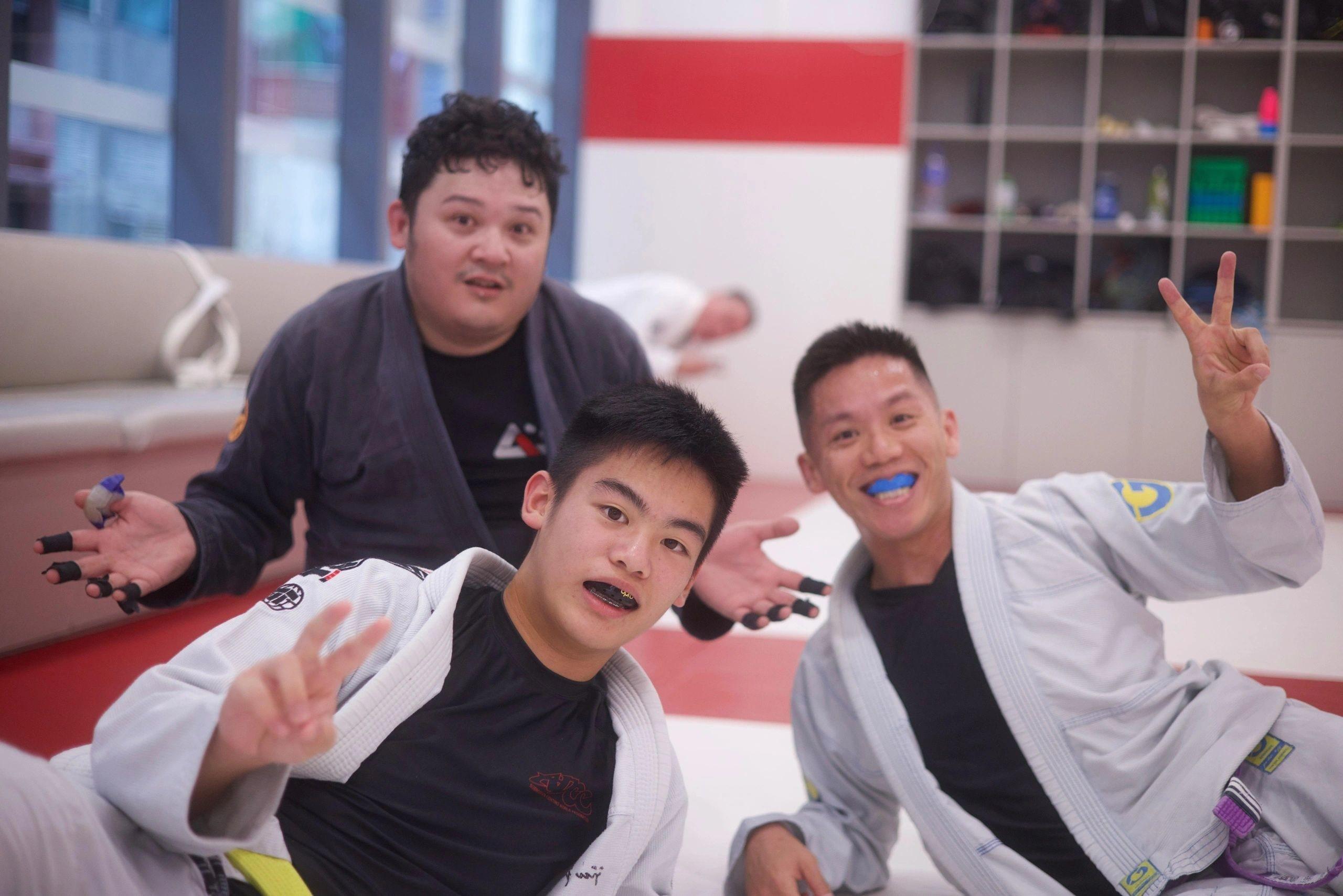
Mastering Velocity: Thinking Slow and Fast
Always fast and you lose control; always slow and you lose surprise. Velocity is about shifting gears deliberately so your opponent can never sync with your rhythm.
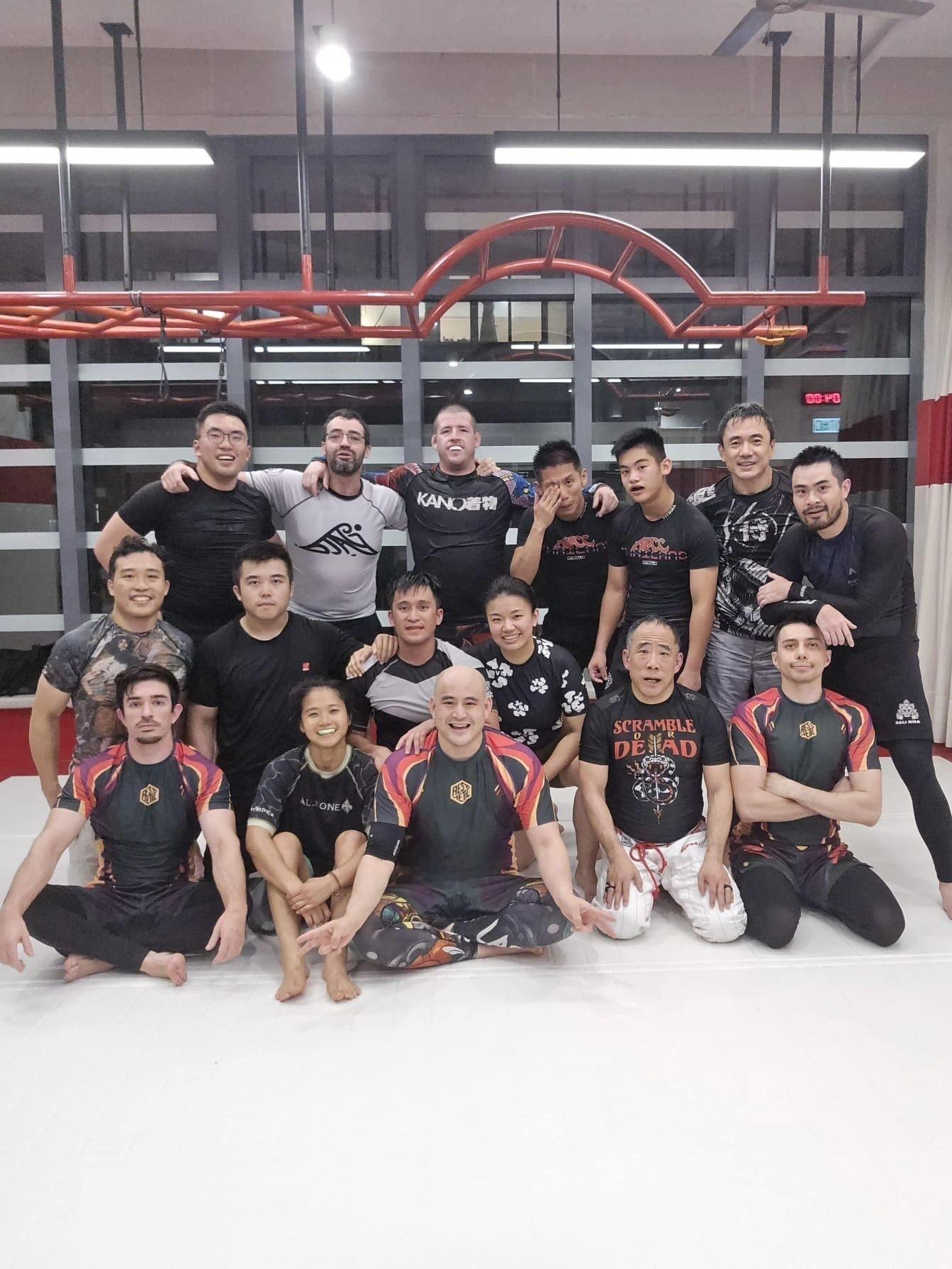
Mastering Acceptance: The Hidden Power in Jiu-Jitsu
Sometimes the most powerful technique on the mat is knowing when not to fight. Acceptance is not quitting — it is working from the truth of the position instead of resisting it.
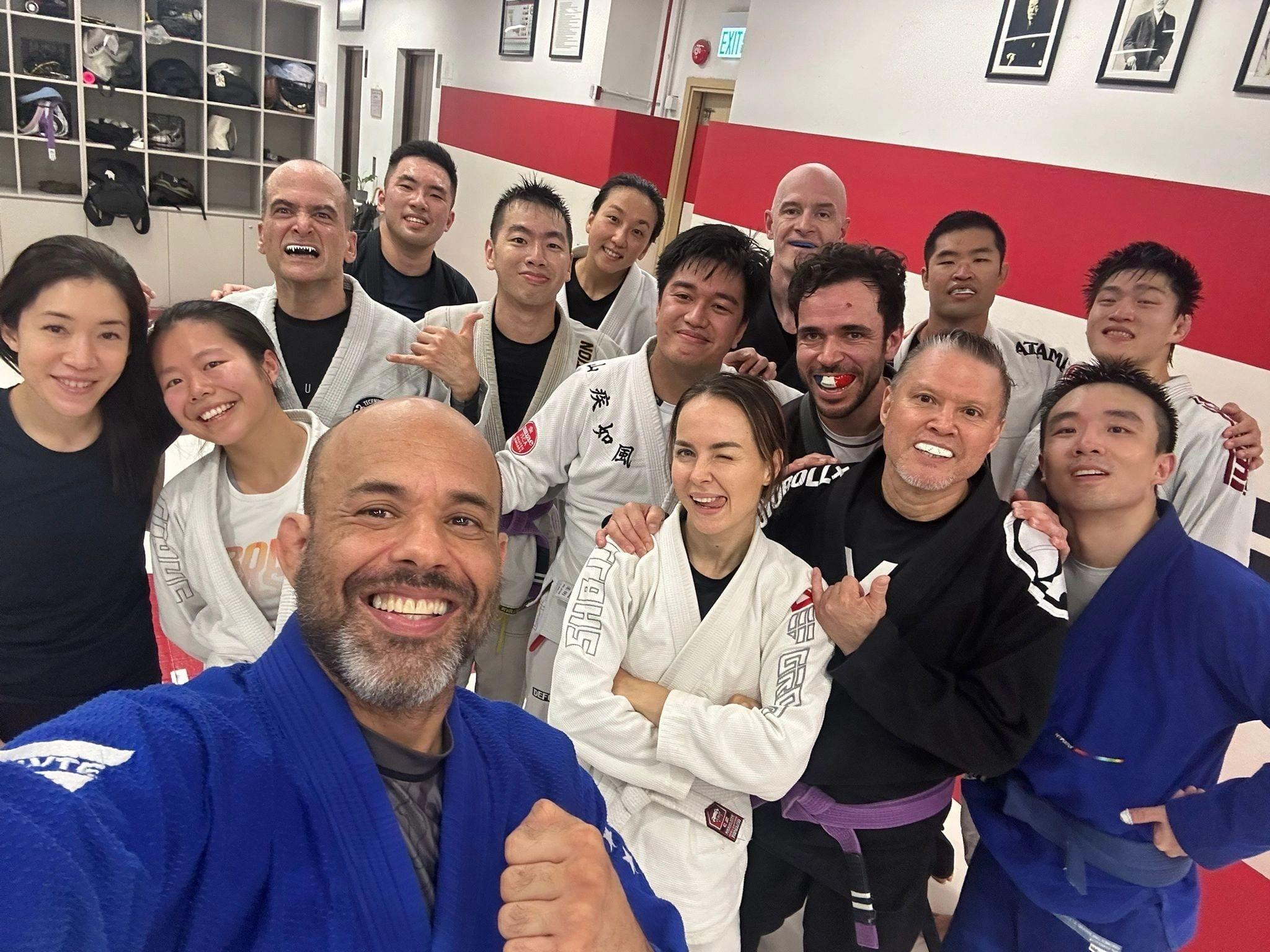
Mastering Creation: Being Proactive
Opportunities in Jiu-Jitsu do not always appear on their own — you have to make them. Be first, be third: initiate with purpose, then be ready for the reaction you provoked.
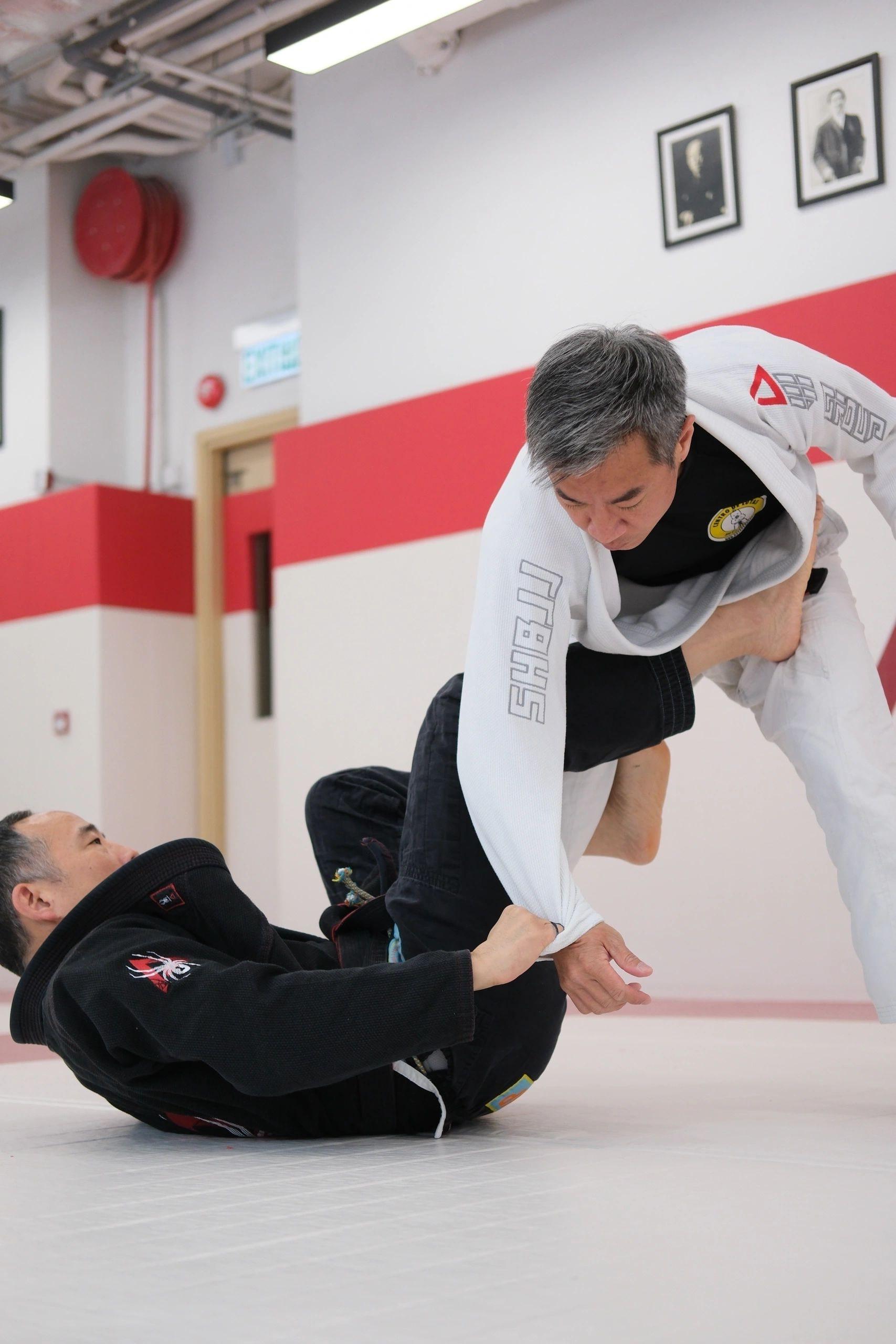
Mastering the Pyramid Principle: Building a Strong Foundation
Balance, base and control are the three pillars of every effective position. Distributing weight across triangular contact points is what keeps your posture unbreakable from any angle.
Mastering Distance: The Key to Control in Jiu-Jitsu
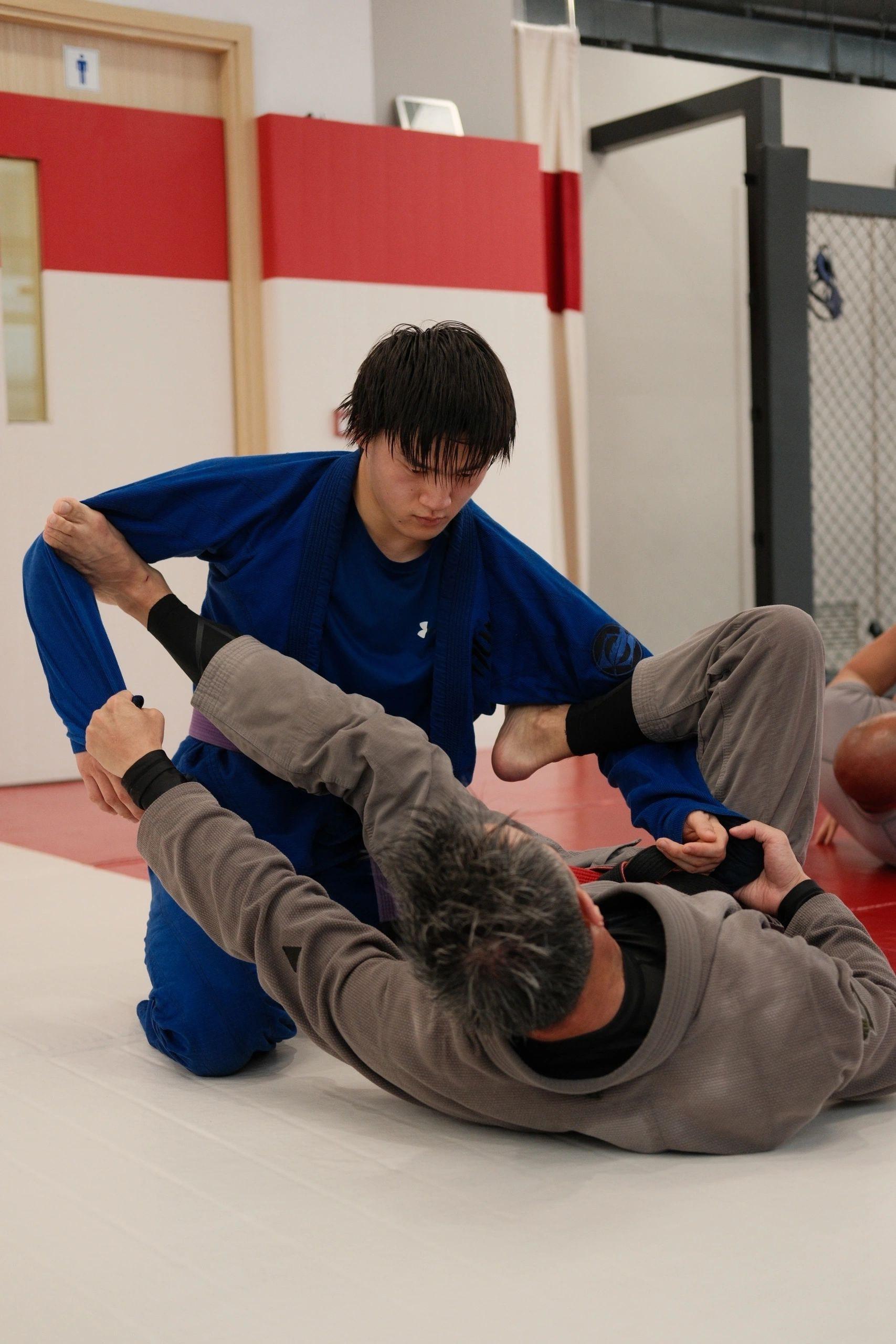
Whoever manages the distance manages the damage. Managing space decides whether you can attack, defend or neutralise — in stand-up, in guard, in passing and in every escape.
Mastering Detachment: The Art of Letting Go in Jiu-Jitsu
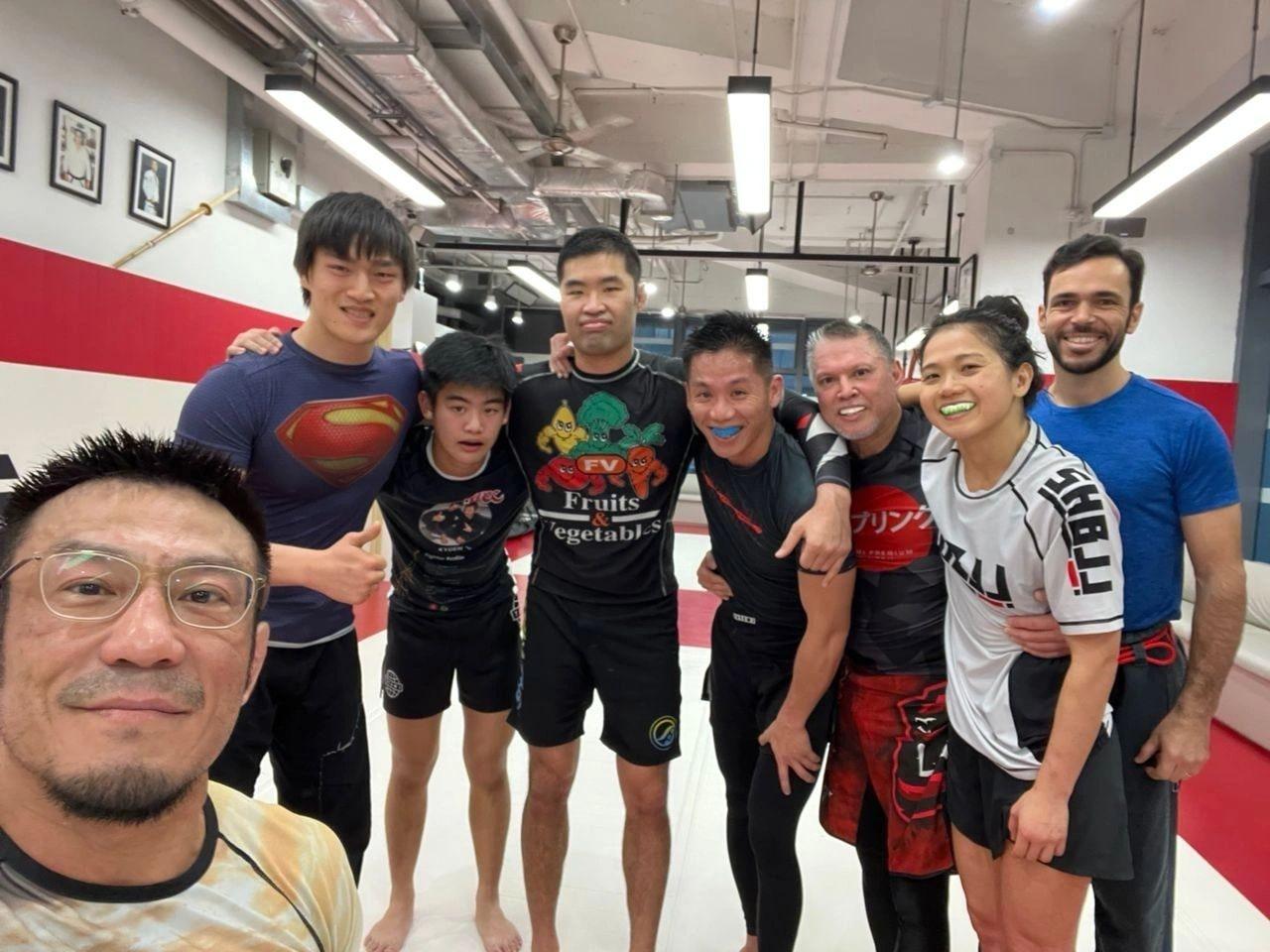
If connection teaches you how to control, detachment teaches you when to let go. Releasing a grip, a position or a game plan at the right moment is not giving up — it creates space for something better.
Mastering Connection: The First Principle of Jiu-Jitsu Explained
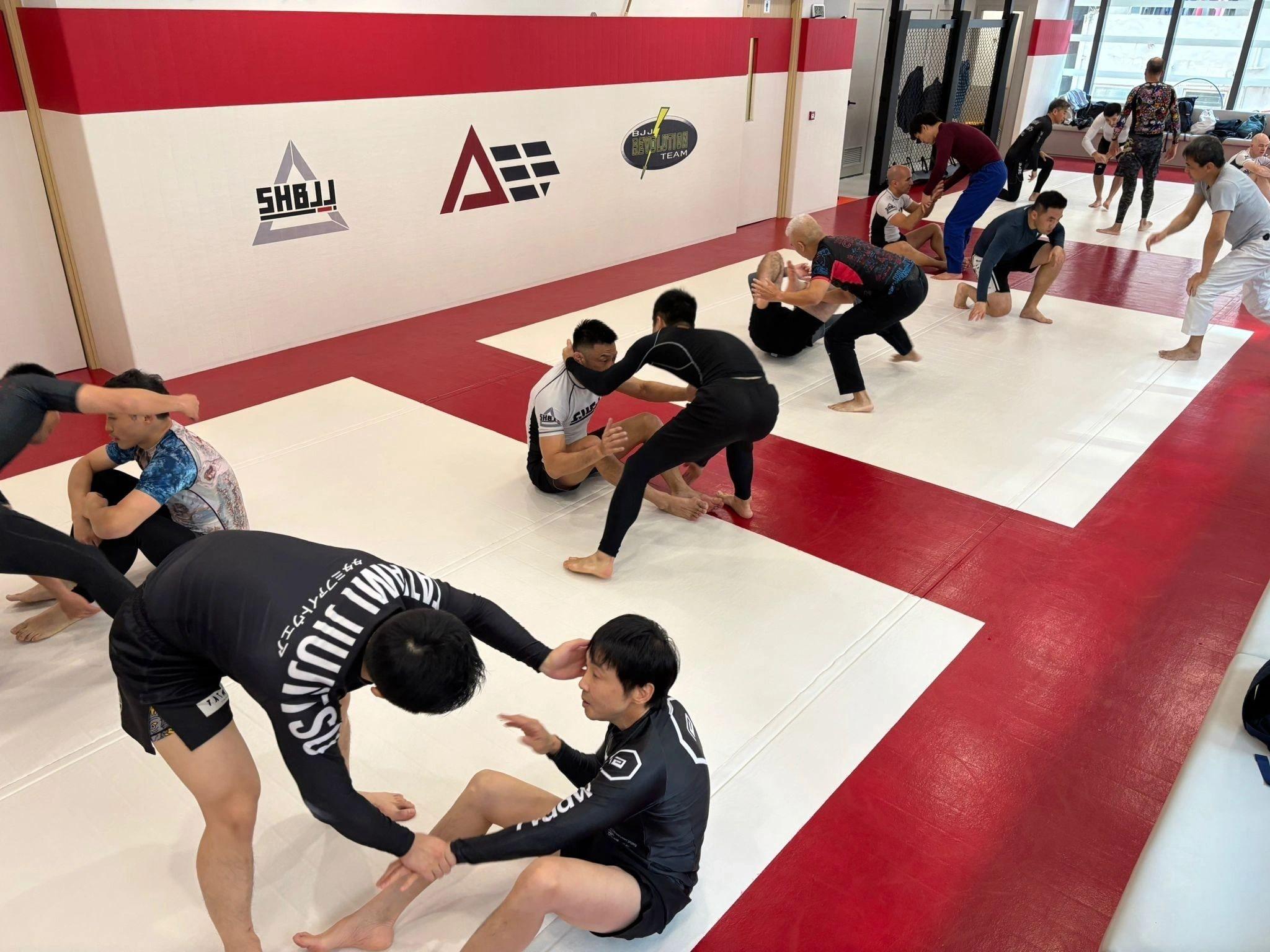
Connection is the alphabet of Jiu-Jitsu — the pushes, pulls and pressure that link you, your opponent and the ground. Master it and you prevent, promote and predict movement instead of relying on strength.
7 Years of SHBJJ Hong Kong
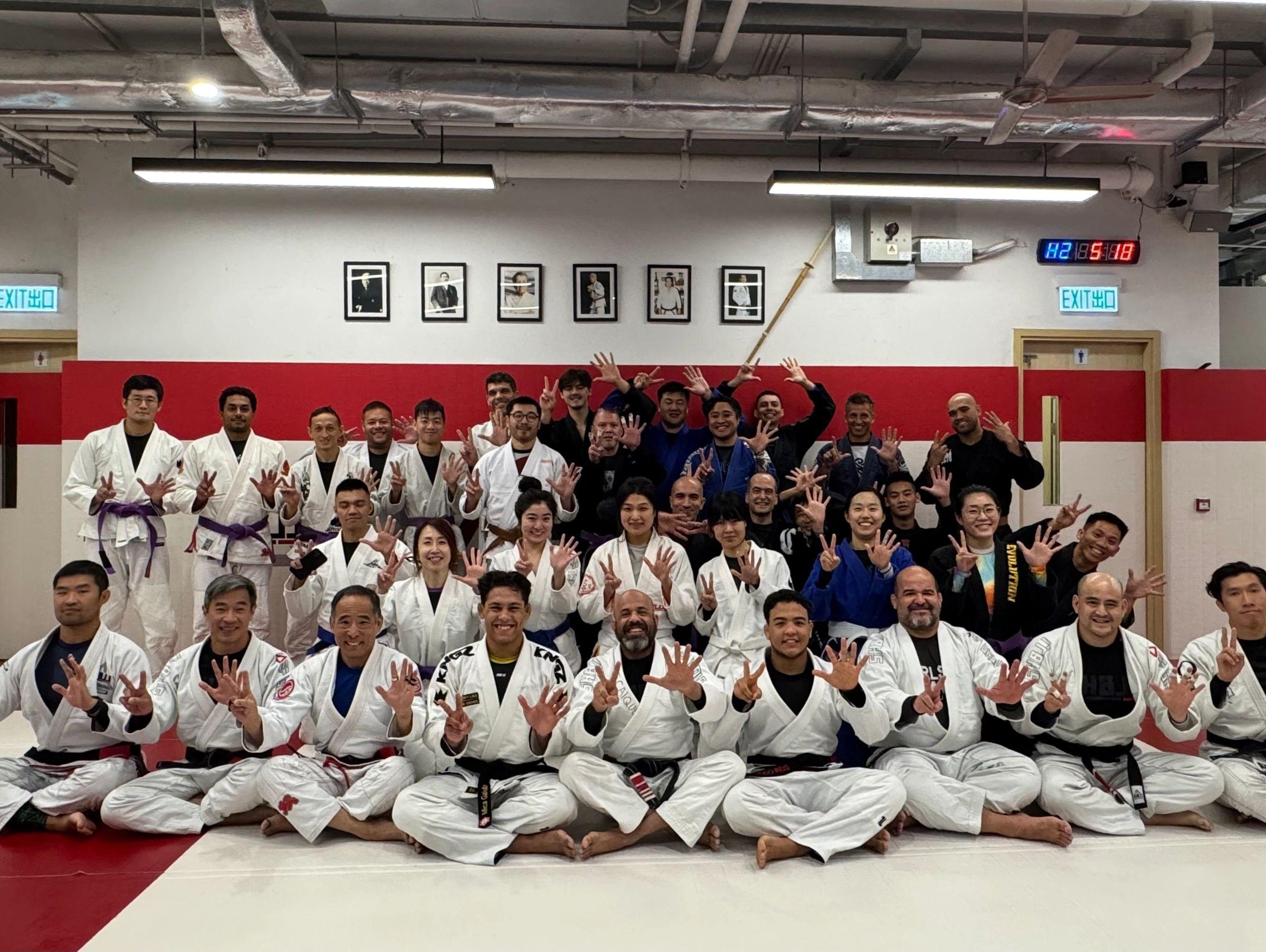
The academy's history told through Alex's own journey: a first class at Epic MMA in 2012, the 2017 DEF Group deal that brought SHBJJ to Hong Kong, the move from Ping On Lane to 88 Wing Lok Street, and the Carlson Gracie lineage the academy still carries.
Why Do White Belts Quit?
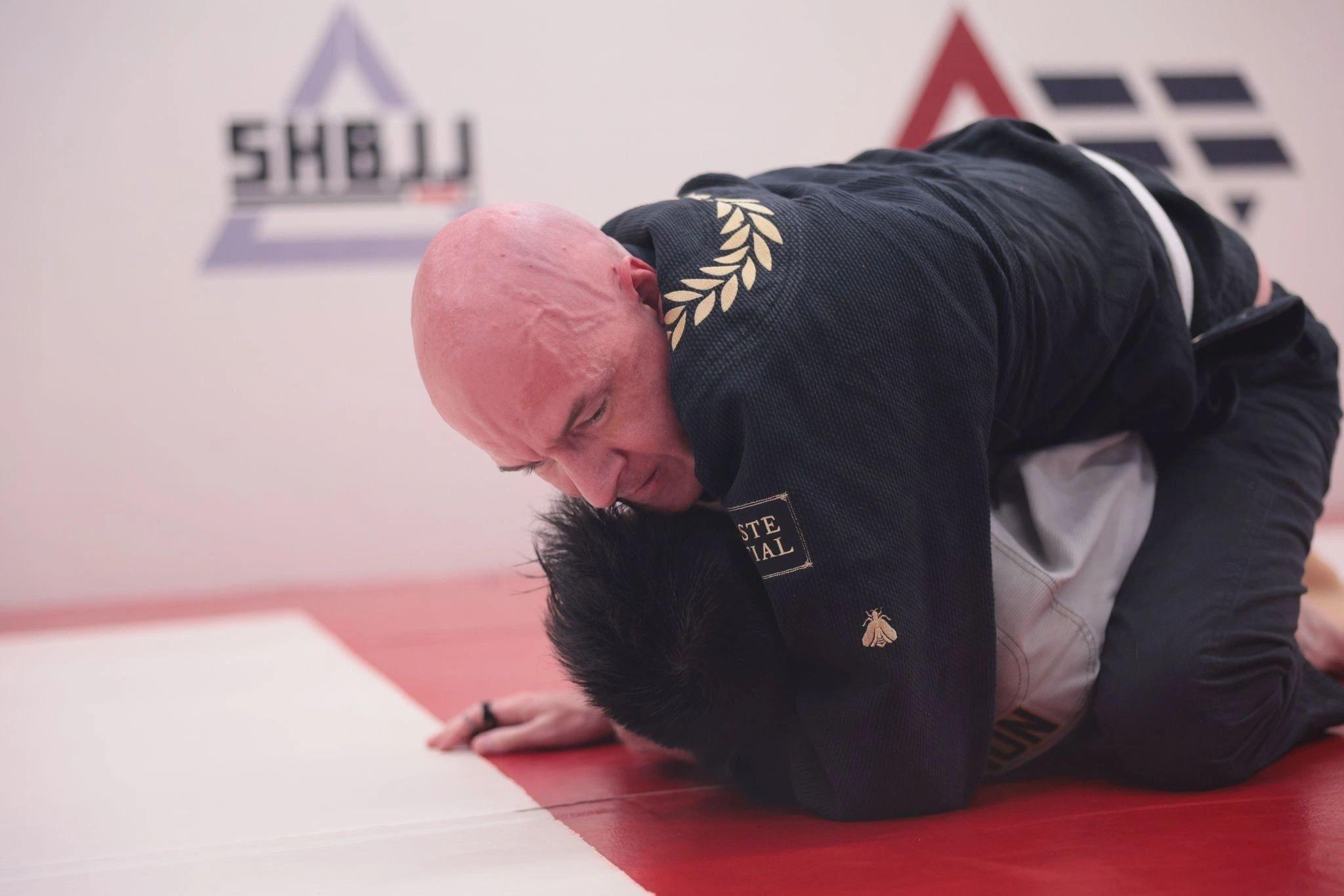
Seven reasons beginners walk away from jiujitsu — injury, the learning curve, discomfort, time, ego — and nine things an academy and its senior students can do to keep them on the mats.
Mastering the Mat: A Guide to Open Mat
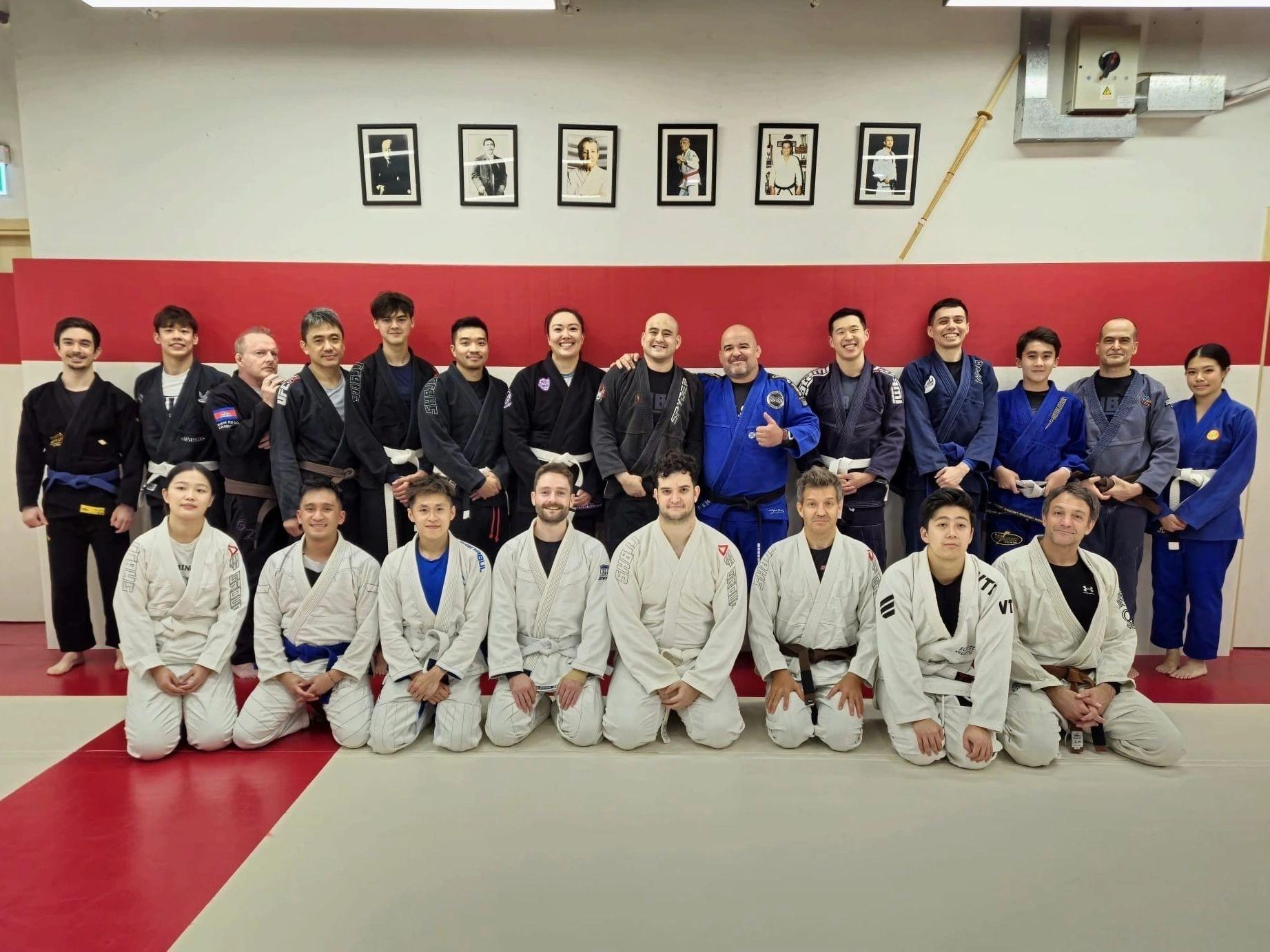
Showing up to open mat is not enough. Set a goal for the session, stay aware of the room, experiment deliberately, roll respectfully, and chase small gains — with a principle attached to each.

The Mental Benefits of Training Jiujitsu
A personal, explicitly non-clinical reflection on why training works as a counterweight to Hong Kong's pace: the contact, the community, the two-way trust, and the total presence that sparring forces on you.
The Purple Belt
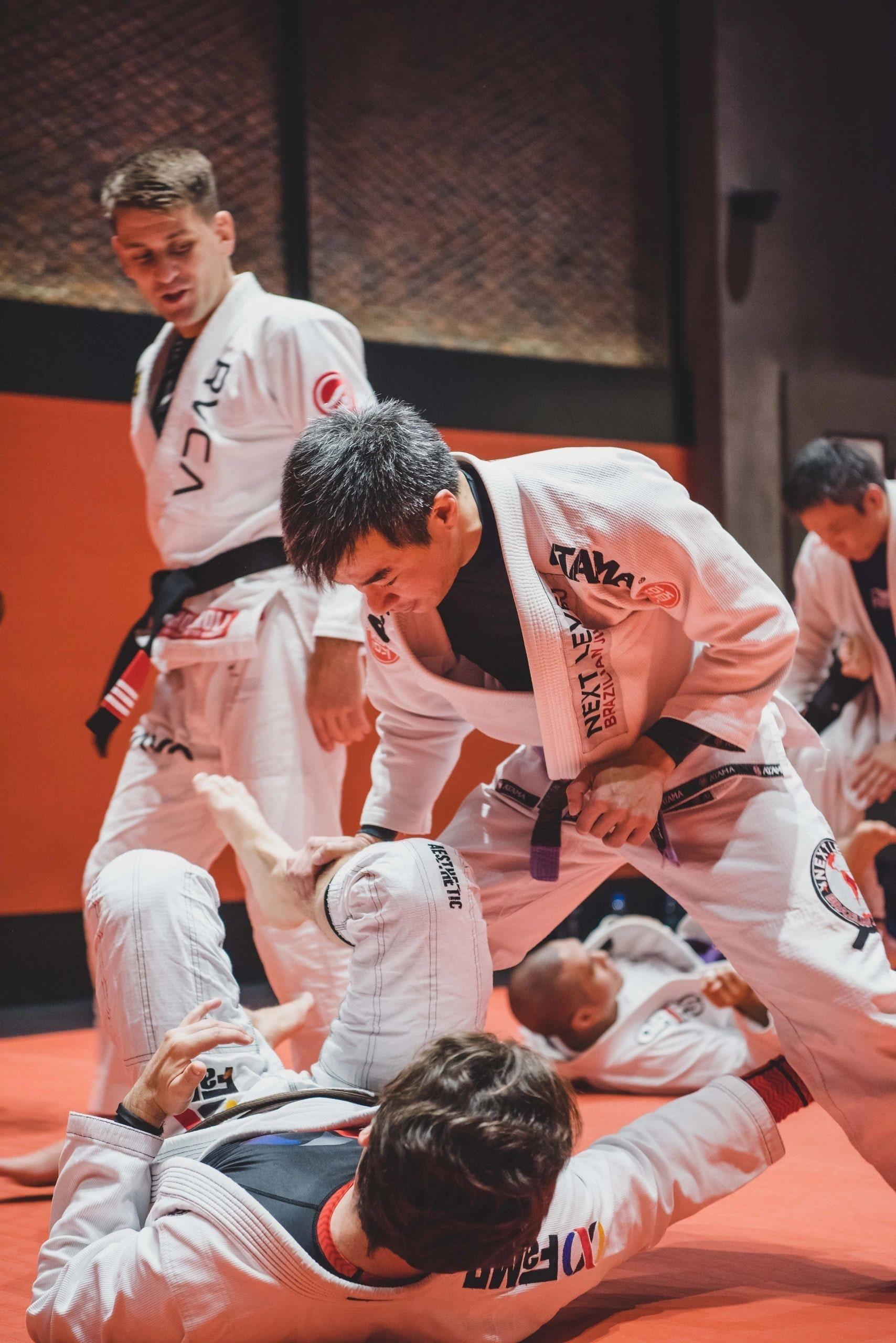
A belt-by-belt retrospective from white through purple, framed as personal growth: white belt as learning how to learn, blue belt as vocabulary, purple belt as finding your own voice in the art.
The Road to Recovery: Navigating Injury in BJJ
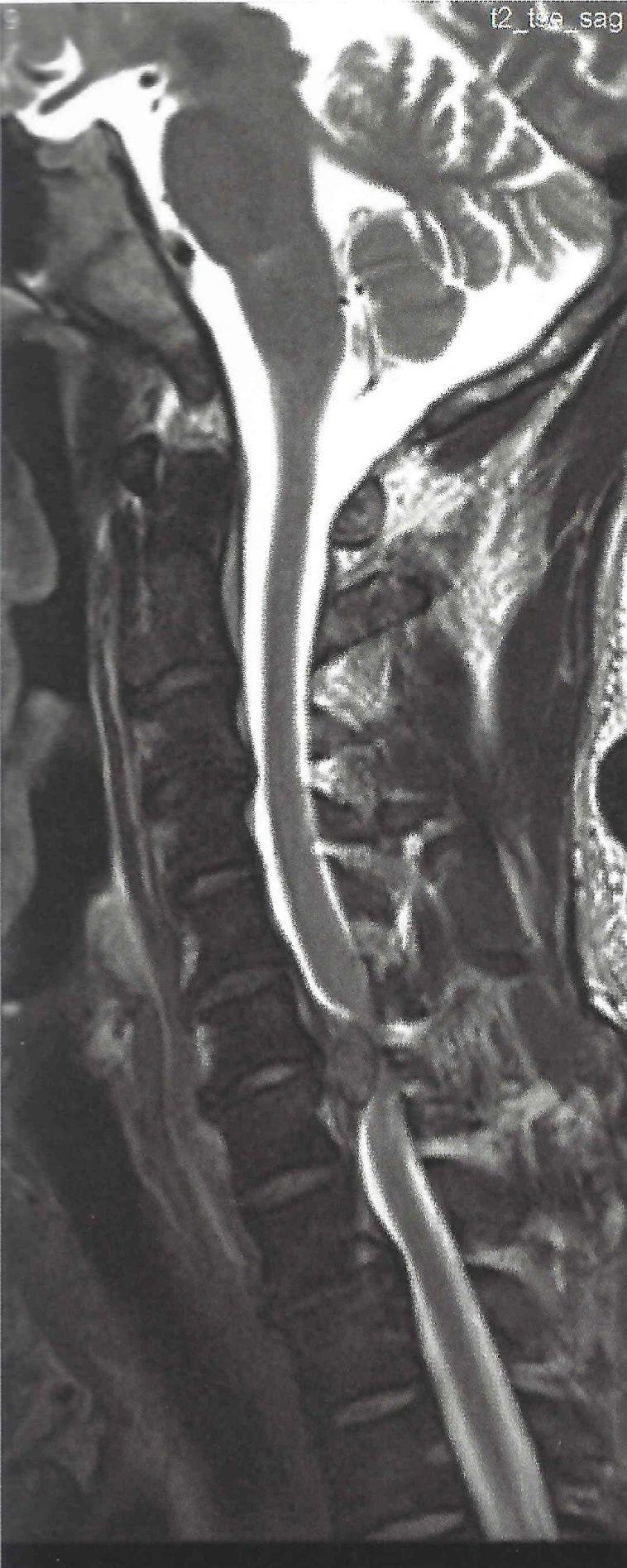
A C6/C7 disc herniation, the can opener that woke it up, and the titanium disc that followed. Six months of rebuilding a training practice around a neck that no longer forgives ego.
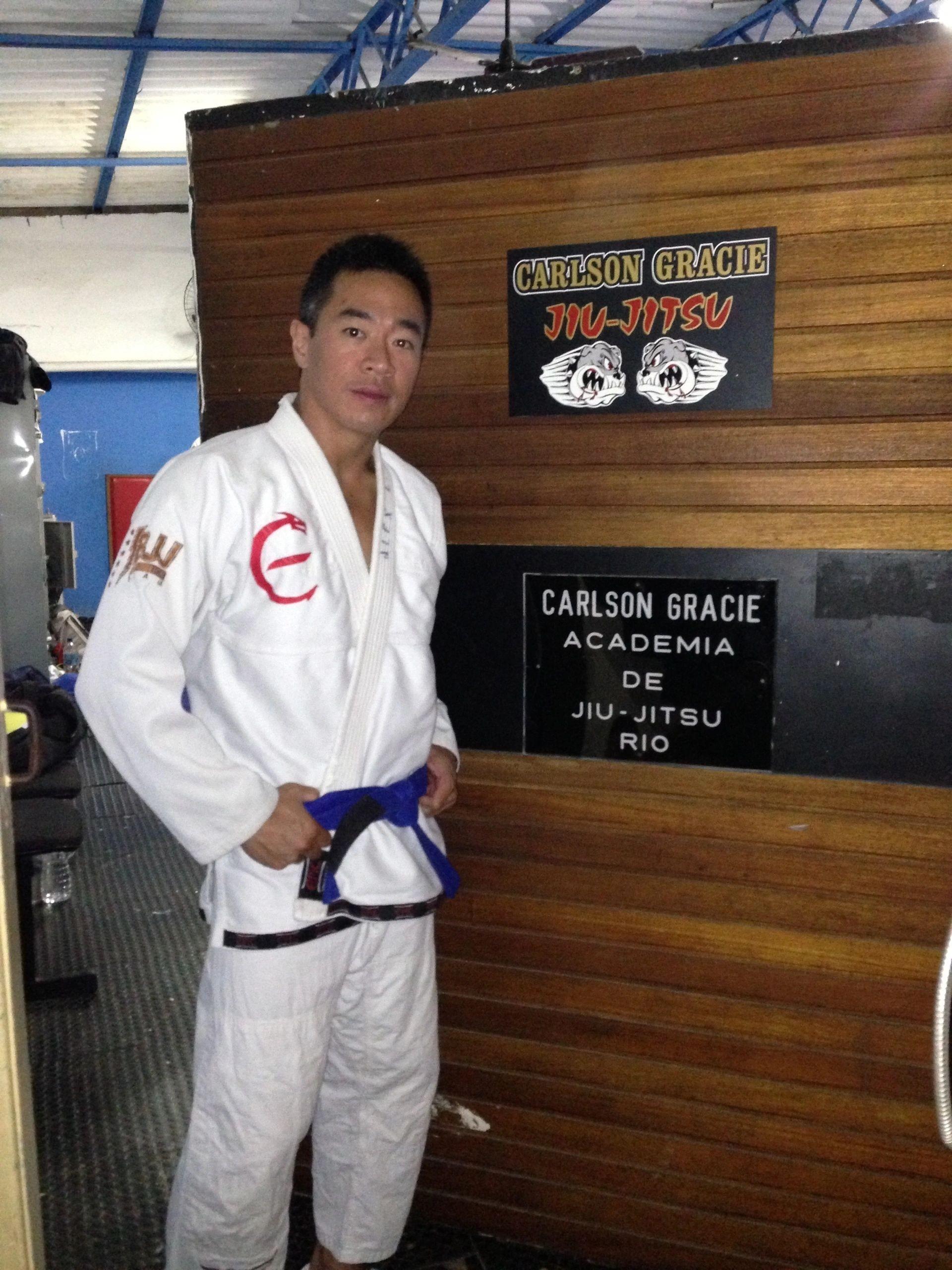
My Blue Belt Journey - A Tale of Growth and Discovery in BJJ
Starting at Epic MMA in 2012 and earning a blue belt within six months that felt unearned — until a trip to train with Rodrigo Medeiros in Brazil, and a black belt promotion witnessed at Carlson Gracie Academy, made the belt make sense.

What To Expect In Your First Four Classes at SHBJJ HK
A class-by-class walkthrough of the four mandatory onboarding sessions for complete beginners at SHBJJ Hong Kong, from the animal movement warm-up and ukemi through to the principles of Connection, Distance, Frames and Pyramid.