
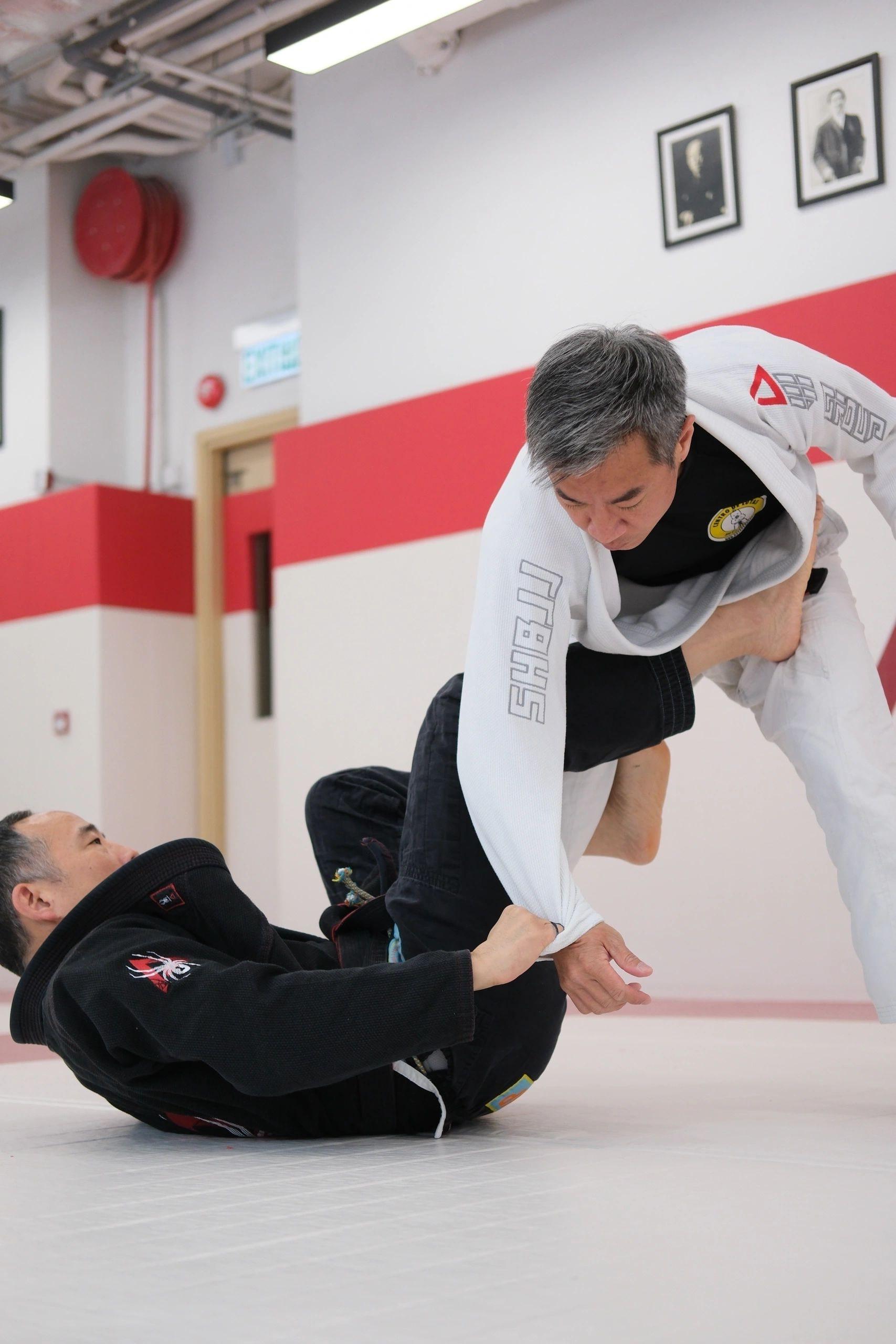
The Pyramid Principle is all about balance, base, and control—three pillars that form the core of every effective position in Jiu-Jitsu. Just like a real pyramid, your posture should be stable from every angle, making it difficult for your opponent to break you down or sweep you. When applied correctly, this principle helps you stay grounded, move with intention, and dominate positions with greater efficiency. Whether you're passing guard, holding mount, or escaping from bottom, understanding how to use the pyramid structure in your body and in your connection to the ground is key to improving both your offense and defense.
At its core, the pyramid is about distributing your weight and maintaining strong, triangular contact points. Imagine your body as a three-legged stool—when all three points are grounded properly, you're stable. In Jiu-Jitsu, these points might be your hands and a knee in top positions, or your hips and shoulders when defending from bottom. For example, in mount, spreading your knees wide and keeping your hips low creates a solid base that makes it hard for your opponent to off-balance or trap you. When passing guard, using staggered hand and knee placement keeps you balanced even if your opponent tries to sweep or frame you away.
The pyramid isn't just about base—it also enhances your ability to control your opponent. By staying low and connected to the ground, you increase your pressure and limit your opponent's movement. Think of the pyramid as a structure that roots you to the mat while allowing you to adjust angles and transitions without compromising stability. In top pressure situations like side control or knee-on-belly, applying the pyramid principle keeps you heavy and secure while giving you the mobility to attack or advance.
To develop your use of the Pyramid Principle, focus on drills that involve maintaining balance while under pressure. Practice positional control from mount, side control, and back control with the goal of staying planted even when your opponent tries to escape. When passing, be mindful of your weight distribution and avoid overcommitting your upper or lower body. Understanding where your center of gravity is—and how to shift it smoothly—is what turns basic positioning into dominant control. This principle is especially helpful for smaller grapplers, as it allows you to neutralize stronger opponents by using structure and leverage rather than strength.
Outside of Jiu-Jitsu, the pyramid concept also applies to building a strong foundation in life. Whether it's your health, your mindset, or your personal relationships, success often comes down to how balanced and grounded you are. A solid base allows you to handle pressure, adapt to change, and stay resilient when things get tough—just like on the mats. Building a life pyramid means knowing your values, staying connected to your core principles, and staying upright even when everything around you is shifting.
Mastering the Pyramid Principle gives you the physical and mental foundation to improve every aspect of your Jiu-Jitsu. When your base is strong, your techniques are stronger, your transitions smoother, and your confidence higher. Ready to solidify your foundation and level up your game?
Alex