
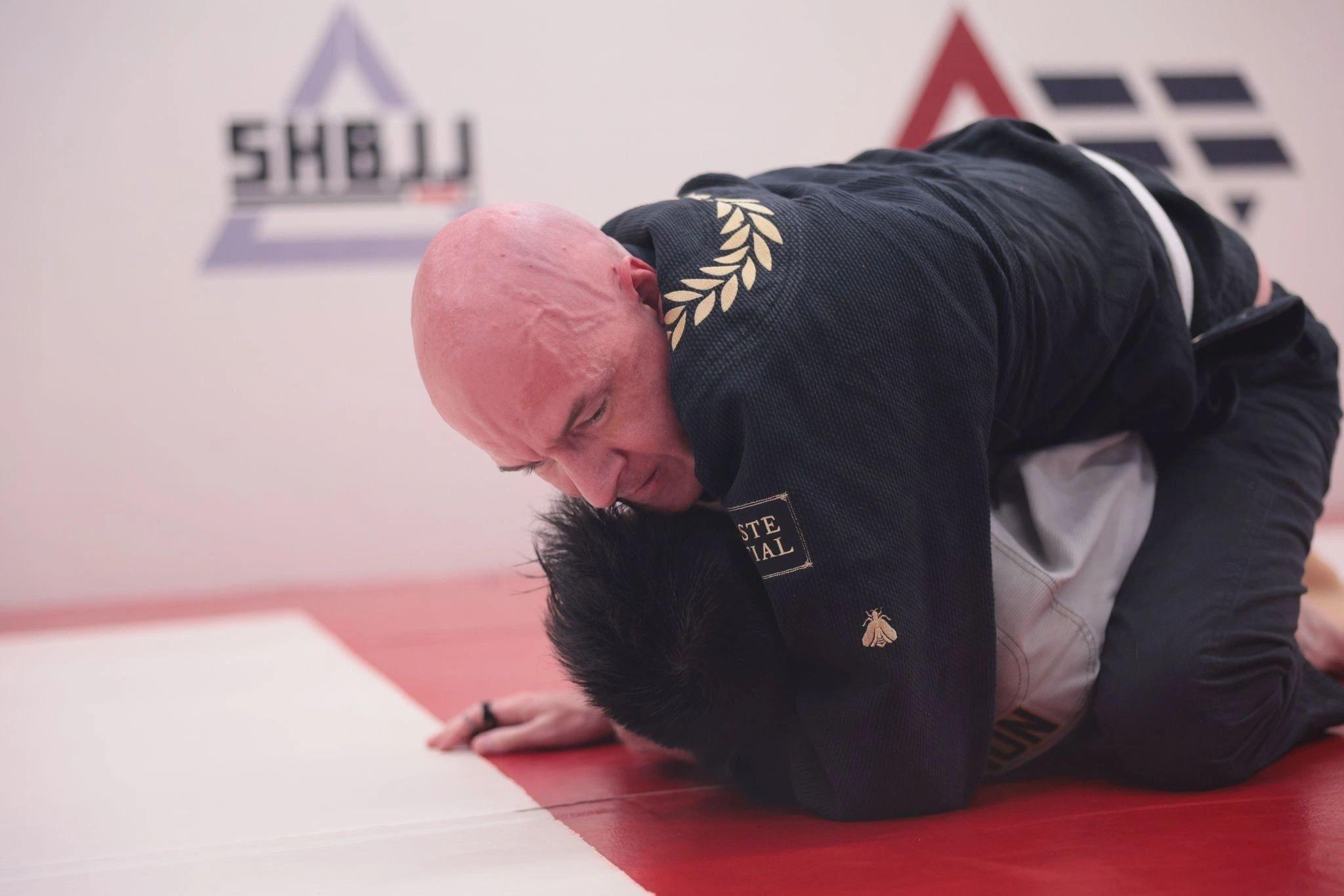
Jiujitsu is an incredibly rewarding martial art, but it can be particularly challenging for beginners, often leading to a high dropout rate among white belts. Understanding the reasons behind this and finding effective ways to address these issues can help retain new students and ultimately strengthen the entire academy.
Common Reasons Why White Belts Quit
1. Injury
One of the most significant reasons white belts quit is due to injury. The physical nature of jiujitsu, combined with inexperience, can lead to sprains, strains, and other injuries. Beginners often struggle with controlling their movements and can be unaware of proper safety techniques.
2. Steep Learning Curve
Jiujitsu has a notoriously steep learning curve. New students can find the techniques complex and difficult to grasp, leading to frustration and a feeling of inadequacy. The gap between being a beginner and feeling competent can seem insurmountable.
3. Physically Demanding Moves and Positions
The physical demands of jiujitsu can be overwhelming. Moves and positions require strength, flexibility, and endurance, which can be taxing for those not accustomed to such intense physical activity. This can lead to exhaustion and burnout.
4. Discomfort and Being Uncomfortable
Jiujitsu often requires practitioners to become comfortable in uncomfortable situations. Being pinned, choked, or having limbs twisted can be intimidating and discouraging for newcomers who aren't yet used to the physical and mental discomfort.
5. Time Constraints
Many white belts struggle to find time to train consistently. Busy schedules, family commitments, and work responsibilities can make it challenging to attend regular classes, leading to irregular training patterns and slow progress.
6. Perceived Lack of Improvement
Frustration from a perceived lack of improvement is another common reason why white belts quit. The progress in jiujitsu can be slow and incremental, and beginners may feel they are not advancing quickly enough, leading to discouragement.
7. Ego and Humility
All martial arts require practitioners to let go of their ego and embrace humility. Being repeatedly submitted and facing constant challenges on the mats can be tough on one's pride. For some, the struggle to accept these humbling experiences can lead to quitting.
How to Prevent White Belts from Quitting
To address these challenges, the rest of the academy can play a crucial role in helping white belts overcome difficulties and continue their BJJ journey. Here are several strategies:
1. Injury Prevention and Management
Educating new students on injury prevention is essential. We have comprehensive warm-up routines, like the "animal movement warm-up cycle" from the 26-week beginner program, which can prepare their bodies for the physical demands. Additionally, teaching proper technique and emphasizing safety can reduce the risk of injury. Encouraging students to listen to their bodies and rest when needed is also crucial.
2. Simplifying the Learning Curve
Breaking down techniques into smaller, manageable parts can make learning more accessible. Highlighting key concepts like "connection" and "distance" from the 32 Principles of Jiujitsu can help beginners grasp the fundamentals more effectively . Providing detailed explanations and offering frequent practice opportunities can build their confidence and skills incrementally.
3. Gradual Physical Conditioning
Easing new students into the physical demands of jiujitsu can prevent burnout. Incorporating conditioning exercises that build strength, flexibility, and endurance gradually will help them adapt. A structured program like our 26-week fundamentals course that gradually increases intensity can make the physical aspects of BJJ more manageable and less overwhelming.
4. Creating a Supportive Environment
Building a supportive and inclusive environment is key to retaining white belts. Experienced practitioners can mentor new students, offering guidance, encouragement, and reassurance. This mentorship can help them navigate the discomfort and challenges they face. Emphasizing the importance of "acceptance" and "connection" can foster a sense of community and belonging.
5. Focusing on the Journey
Reminding white belts that BJJ is a long-term journey can help manage their expectations. Encouraging a mindset of continuous improvement and celebrating small victories along the way can keep them motivated. Emphasizing that everyone progresses at their own pace and that setbacks are part of the learning process can alleviate feelings of inadequacy.
6. Encouraging Regular Attendance
Consistency is crucial in jiujitsu. Encouraging new students to attend classes regularly can help them build momentum and see progress. Implementing attendance incentives or challenges can motivate them to keep showing up.
7. Peer Support and Accountability
Fostering a sense of camaraderie among students can create a support system where they hold each other accountable. Training partners can motivate each other to attend classes and practice outside of regular sessions.
8. Highlighting the Benefits
Regularly reminding students of the benefits of jiujitsu, both physical and mental, can keep them motivated. Improved fitness, stress relief, self-defence skills, and a sense of achievement are powerful incentives to continue training.
9. Embracing Humility
Creating a culture that values humility and learning from mistakes can help white belts let go of their ego. Sharing stories of higher belts who faced similar struggles and overcame them can provide inspiration and perspective. Encouraging a mindset of growth and resilience can help students embrace the challenges of jiujitsu.
Team Effort
Retaining white belts in jiujitsu is a collective effort that benefits the entire academy. By understanding the common reasons why beginners quit and implementing strategies to address these issues, we can create an environment that supports their growth and development. As the proverb goes, "As iron sharpens iron, so one person sharpens another." By helping white belts stay and overcome their challenges, we strengthen the entire academy, fostering a culture of mutual improvement and camaraderie. As an academy, we do our best to work around time management challenges with a comprehensive schedule which considers the needs of all our students. The professors stay on top of each student's progress as we track attendance and where each student is with regard to our fundamentals cycle to ensure that their improvement is tracked, and areas of focus can be singled out.
However, the importance of community and mat culture cannot be underestimated, and keeping our white belts and helping them is a collective effort. Each student has a role to play, no matter what their belt colour is.
Alex
Start with the Principles
Our conceptual curriculum — fifteen principles written by the SHBJJ coaches, in the order we teach them.
Read in order