
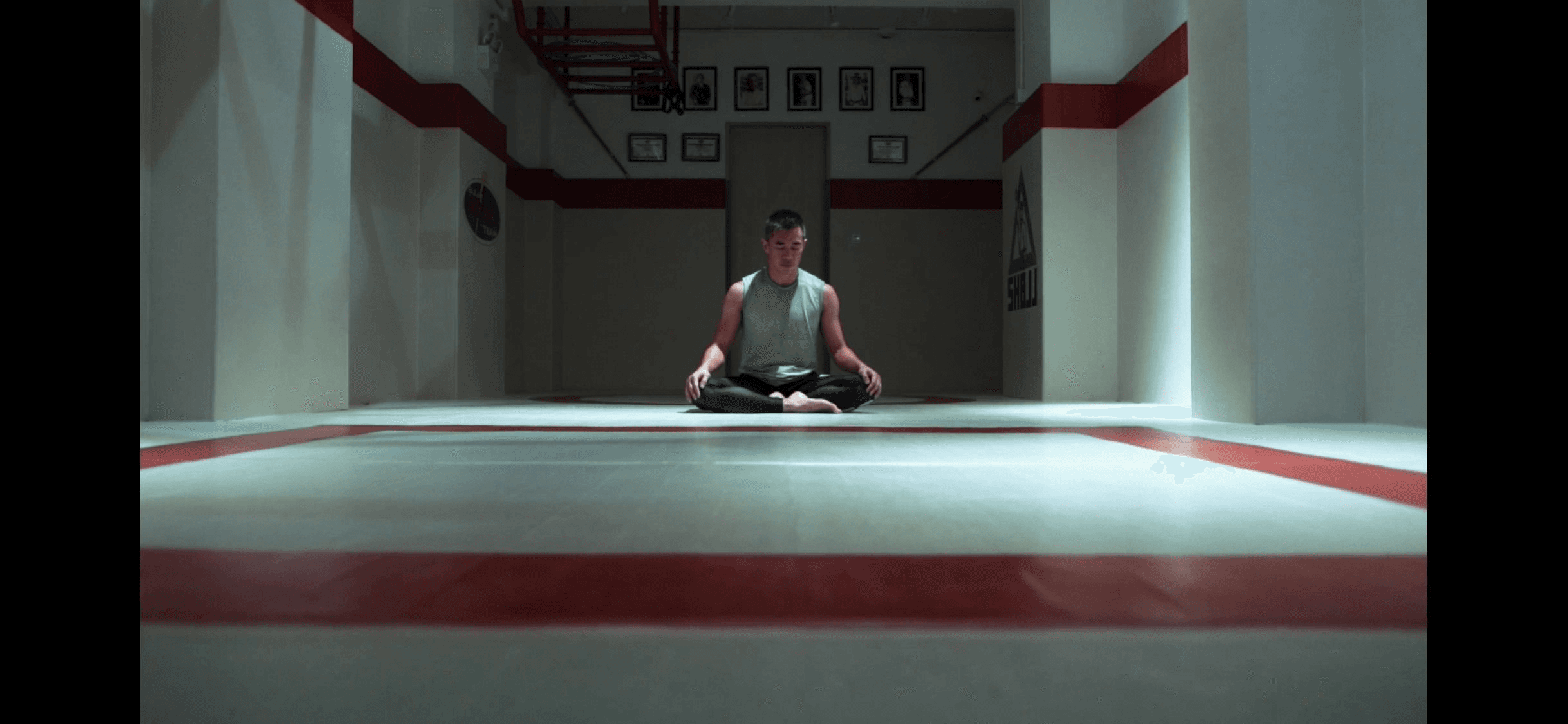
I'm not an expert in the field of mental health, and have no training in the subject matter, so my thoughts below are purely based on my own experience and observations. However, having shared these thoughts with others who train in our martial art, I've heard many similar responses, and I wanted to see if they resonate with a wider group as well.
Hong Kong is a wonderful place, but it can be stressful at times. The pace of life- always fast- is a feature of the city, but it's a blade which can cut both ways. At times we may feel addicted to the many things which clamor for our attention each day, at work, in our personal relationships, from our friends, our families, to our colleagues. But this frenetic buzz of activity sometimes prevents our minds from ever slowing down or even being able to focus on one thing at a time. We seem to be living in the past, the present, and the future at the same time. Parsing historical information, maybe even feeling some regrets about past decisions, fretting about a work deadline, worrying about the future of a certain relationship, all while trying to move through the present are all part of our lives.
While the physical benefits of exercise, no matter what the form, are well documented, my personal experience with the impact on my mental state are varied between disciplines.
First, there is the actual physicality of contact sports, which creates a specific sense of feedback quite different from activities which don't involve any contact. Jiujitsu is not something you can do by yourself, and the sense of community and personal bonds created through training are emphasized by the contact nature of how we drill and move forward together as a group. I like the observation that on the mats, trust is a two-way street. We trust our partners to let go of a submission or technique if we tap, and we trust our partners to let us know if they've been caught and have yielded. This trust is even more important due to the sometimes lethal or at least damaging consequences of a properly executed technique. Community and trust are hard to come by these days, particularly post our experiences in the recent pandemic. The sense of well being from being somewhere in person and doing something which requires focus and trust with a group of people simply cannot be replicated alone or from behind a screen.
Second, is the feeling of being truly present, especially when sparring. The moment we occupy while rolling expands to fill our brains. There is no room to think about a looming deadline, an argument we had the day before, or whether the laundry basket was full when we left the house in the morning. There is only the here and now as we are completely in the moment, as the cost of distraction is having a limb snatched, or your consciousness squeezed from you. At an even higher level, when our movements are no longer constricted by the demands of active thought for execution, we can almost stand outside ourselves and observe our roll, similar to the feeling when in deep meditation and when fully present in the moment.
I've found that the result of community, trust, and being fully present is a sense of peace after training. Any worries or anxieties I may have carried with me into the beginning of training fade away or at least have been contextualized. As I joke when going into a tough meeting after training earlier in the day, "How bad could it be? Someone was just trying to kill me just now..."
Of course, everyone reacts to different practices in individual ways. Some prefer the solitude of self-practice, finding more peace with themselves then within a group. There is no one size fits all approach, but finding the one activity that can bring a demonstratable sense of well-being after going through it means it is definitely something you should choose and persist at. And I've chosen jiujitsu.
-Alex
Start with the Principles
Our conceptual curriculum — fifteen principles written by the SHBJJ coaches, in the order we teach them.
Read in order