
Injuries can be transformative experiences, offering lessons not just in resilience but also in understanding and respecting the limits and capabilities of our bodies. My journey through injury, surgery, and recovery embodies this transformation and serves as a testament to the power of patience, listening, and adaptation.
The Injury
My encounter with a serious neck injury began not on the mats but on a ski slope, resulting in a disc herniation at the C6/C7 level. This pre-existing condition lay dormant until a training session in 2017, as a purple belt, when an opponent's can opener maneuver on my closed guard sent warning signals through my body. Ignoring initial discomfort and resorting to medication to quell inflammation, I pressed on, unwittingly aggravating my condition.
The Wake-Up Call
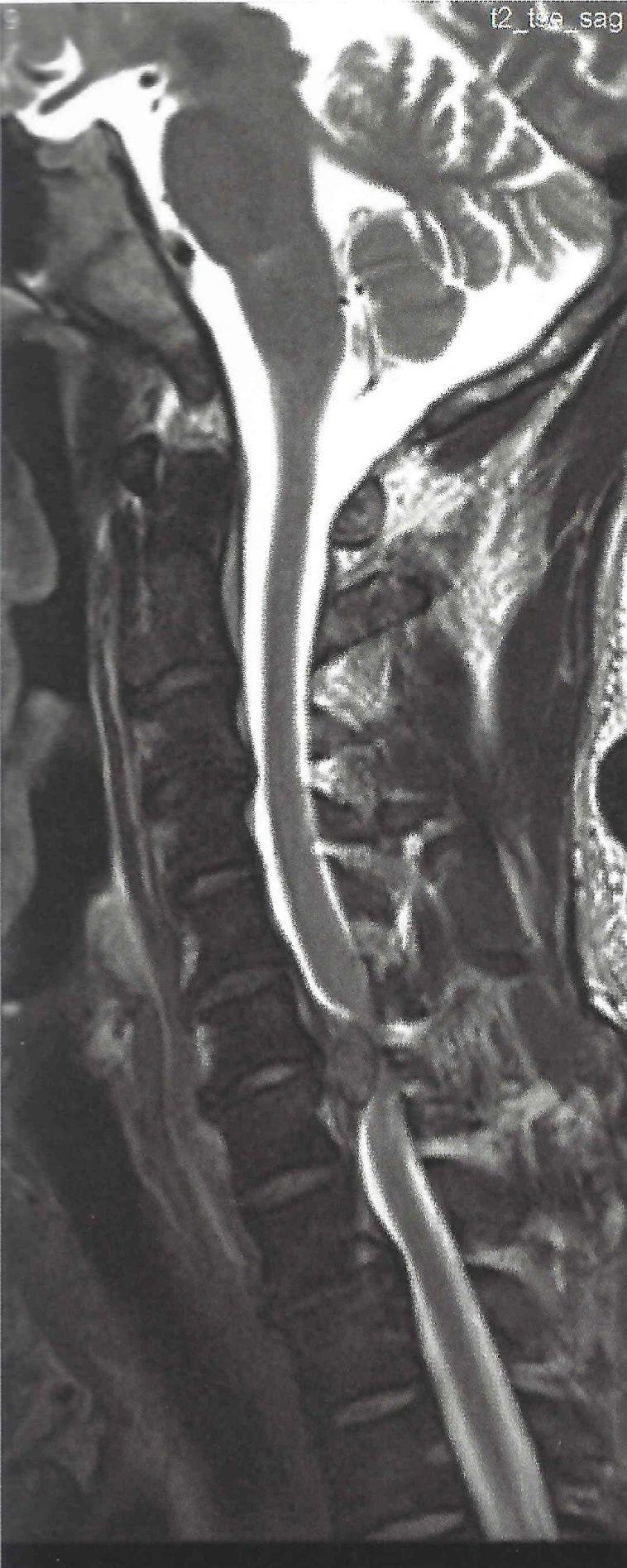
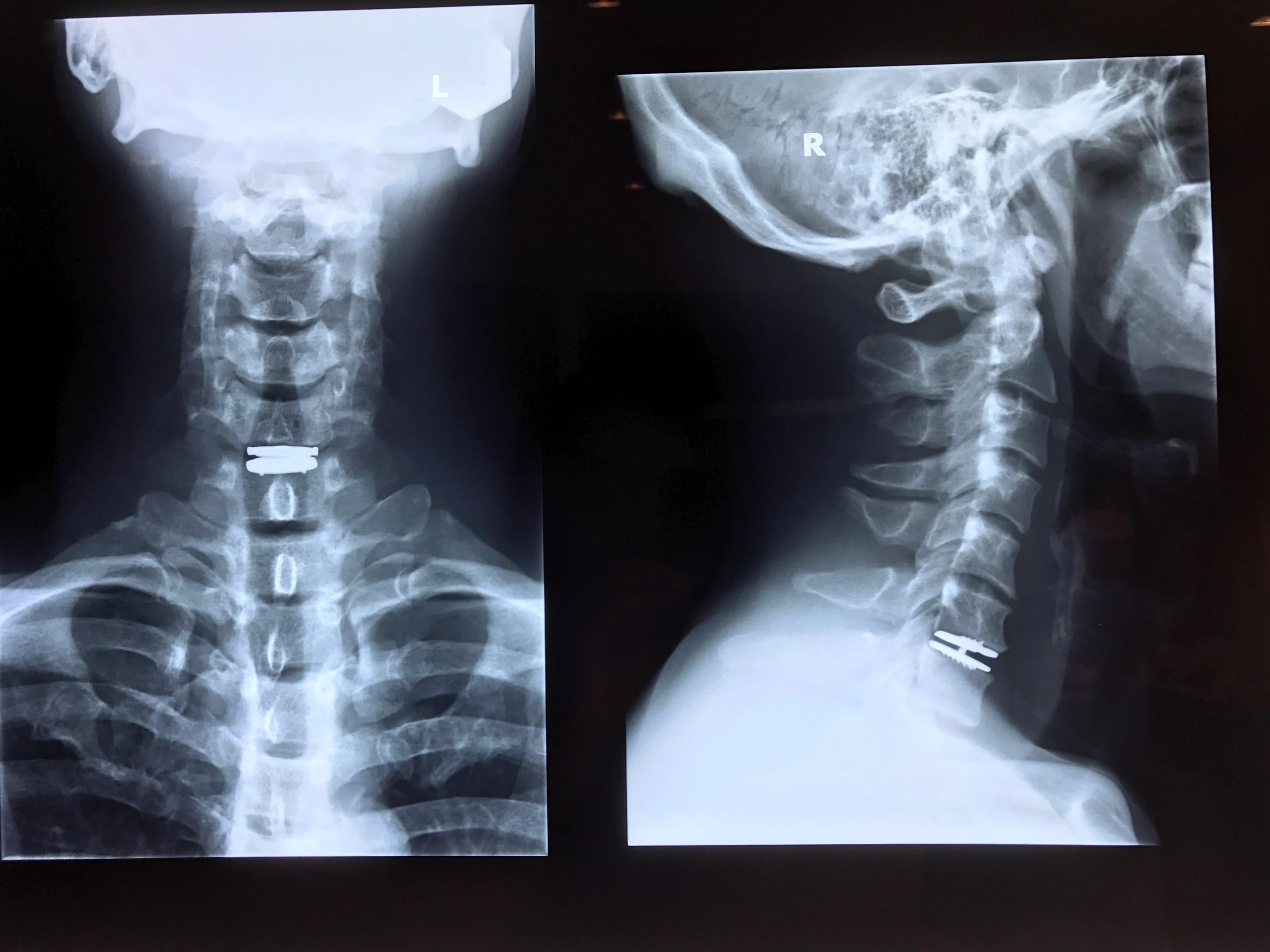
Over time, the pain escalated, turning into electric shocks with every sneeze or cough, accompanied by constant jolts. Three months of endurance led me to seek medical help, resulting in an MRI that revealed an extreme sequestration of the C6/C7 disc, with disc contents obstructing about 85% of my spinal canal. The situation was dire, necessitating a procedure to replace the disc with a titanium insert—an operation that was not just corrective but potentially lifesaving, given the risk of long-term spinal cord damage.
Recovery: A New Beginning
The immediate relief post-surgery was a sign; the path to recovery, though long, was clear. The ensuing months were marked by a disciplined return to basics: bodyweight exercises, mobility work, and a cautious approach to any activity that might strain my neck or shoulders. Gradually, I reintroduced drilling and light rolling into my routine, selecting partners who understood my limitations and goals. This cautious, respectful approach to my body and its limits allowed me to return to full training after six months, fundamentally altering my relationship with BJJ.
Key Takeaways
- Listen to Your Body: Recognizing and responding to pain as a signal rather than a challenge to be overcome.
- Seek Multiple Opinions: Building a comprehensive understanding of the injury to tailor a recovery strategy that aligns with personal needs.
- Gradual Return: Emphasizing the importance of patience and gradual progression back to full activity.
- Trust and Communication: The value of rolling with partners who respect and support your recovery journey.
- Ego and Awareness: The necessity of tapping early and often, prioritizing long-term health over short-term gains.
- Adaptation: Willingness to modify one's game, mindset, and rolling style to accommodate and protect the body.
Reflections on Injury and Recovery
Injury, while not inevitable, is a reality many of us will face in our BJJ journey. My experience has taught me that "slow is fast" when it comes to recovery. Starting light, maintaining consistency, and exercising patience can lead not just to a return to the mats but to a deeper, more meaningful engagement with BJJ.
The road to recovery has reshaped my practice, forcing me to rethink how I train, compete, and understand my body. It's a reminder that while BJJ is a physical pursuit, it's also a mental and emotional journey. Injuries are not just obstacles but opportunities—to grow, to learn, and ultimately, to return stronger.
Start with the Principles
Our conceptual curriculum — fifteen principles written by the SHBJJ coaches, in the order we teach them.
Read in order